

.png)

Food insecurity is 4–7 times higher among individuals with opioid use disorder (OUD) than the general population. It’s linked to depression, higher health risks, and even a doubling of premature death rates.
Researchers at the University of Vermont wanted to test whether nutrition-focused interventions could improve food security, mental health, and substance use outcomes for patients in methadone and buprenorphine treatment.
Traditional approaches — like vouchers or pantry programs — require patients to shop, cook, and manage logistics while navigating complex health and life challenges. For this study, UVM researchers needed a ready-to-use, low-barrier meal solution that delivered consistent nutrition directly to participants’ homes.
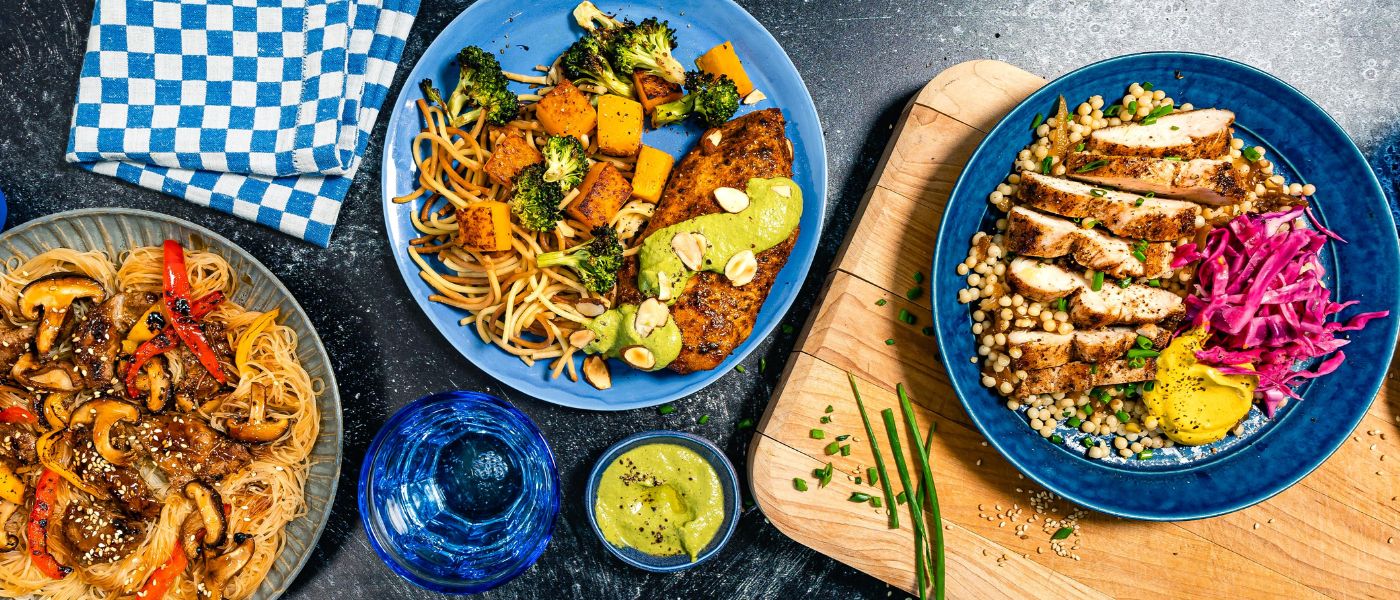
The research team designed a 12-week, randomized trial that tested whether ready-to-eat, nutritious meals could improve food security for patients in OUD treatment. Participants in the intervention arm received weekly deliveries of chef-prepared, fully cooked meals from CookUnity, with six meals provided for each household member. CookUnity offered more than 300 rotating options across breakfast, lunch, and dinner, accommodating a wide range of dietary needs such as low-carb, plant-based, keto, paleo, and culturally relevant recipes.
All meals were nutritionist-approved, aligned with FDA sodium guidelines, and required only about four minutes to heat. By removing barriers such as transportation, grocery shopping, and cooking, the intervention provided participants with consistent access to nutritious food with minimal preparation effort. This gave the research team a reliable, scalable tool to help examine a novel approach to improving food insecurity in this vulnerable clinical population.
Get the full University of Vermont research paper on food insecurity and clinical outcomes.
.jpg)
.png)